
Ivan Sen: The Visionary Storyteller of Two Worlds.

Ivan Sen is one of Australia’s most distinctive cinematic voices — a filmmaker whose lens captures both the vastness of the Australian landscape and the quiet, often painful introspection of those who inhabit it. A proud Indigenous storyteller of Gamilaroi descent, Sen’s work stands at the intersection of identity, belonging, and the struggle for self-definition in modern Australia. Over more than two decades, he has reshaped how Indigenous stories are told — rejecting stereotypes and reclaiming space for truth, silence, and beauty.
Sen burst onto the international scene with Beneath Clouds (2002), a haunting coming-of-age story that earned him the Best Director award at the Berlin International Film Festival. It’s a film that introduced audiences to Sen’s unmistakable cinematic language: wide open skies juxtaposed with emotional isolation, sparse dialogue that says everything, and characters whose pain lingers long after the credits roll. His camera doesn’t just observe; it listens. It waits. It allows silence to carry the weight of generations.
What makes Sen extraordinary is his complete control over the filmmaking process. He often writes, directs, shoots, edits, and scores his own films — a rarity in the industry that gives his work a deeply personal and unified tone. This auteur approach allows him to build worlds that feel authentic to Country and community, yet universally human.
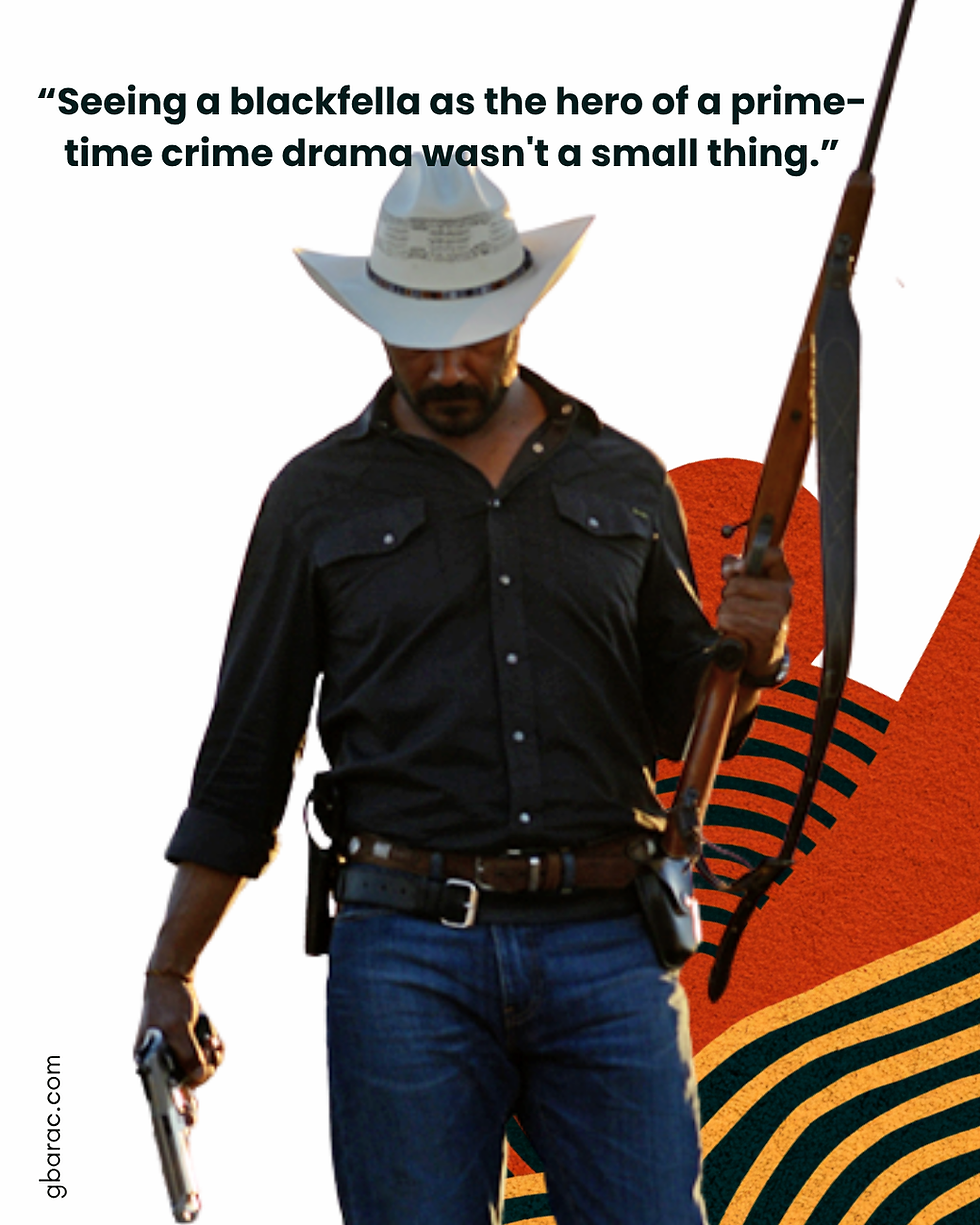
With Mystery Road (2013) and its sequel Goldstone (2016), Sen ventured into genre filmmaking — combining noir and western elements with social realism. In these films, detective Jay Swan (played with stoic brilliance by Aaron Pedersen) becomes more than a cop; he’s a metaphor for the collision of two worlds — Indigenous and colonial, ancient and modern. Sen uses the tropes of mystery to peel back layers of systemic injustice, corruption, and cultural disconnection. Goldstone, in particular, feels almost mythic: a story about the cost of forgetting who we are, and the redemption that comes from returning to Country.
Sen’s storytelling is also deeply political — not in a loud or didactic way, but in his refusal to simplify. He exposes the fracture lines of identity, the loneliness of dislocation, and the dignity of survival. His landscapes — the endless plains, the ghost towns, the shimmering horizons — mirror the internal struggles of his characters. In Sen’s world, geography is psychology.
Beyond his filmography, Ivan Sen’s contribution to Australian cinema lies in his quiet revolution. He has proven that Indigenous stories can exist outside of expectation — that they can be genre films, thrillers, love stories, meditations on loss, or poetic reflections on the human condition. He’s also opened doors for a new generation of Indigenous filmmakers who see in his career a model of artistic independence and integrity.
In the evolving story of Australian film, Ivan Sen’s work stands as both a mirror and a challenge — asking audiences to look again, to see what has always been there, and to listen to the silence between the words. His cinema doesn’t just tell stories; it creates space for understanding. And that, perhaps, is his greatest legacy.


Comments